

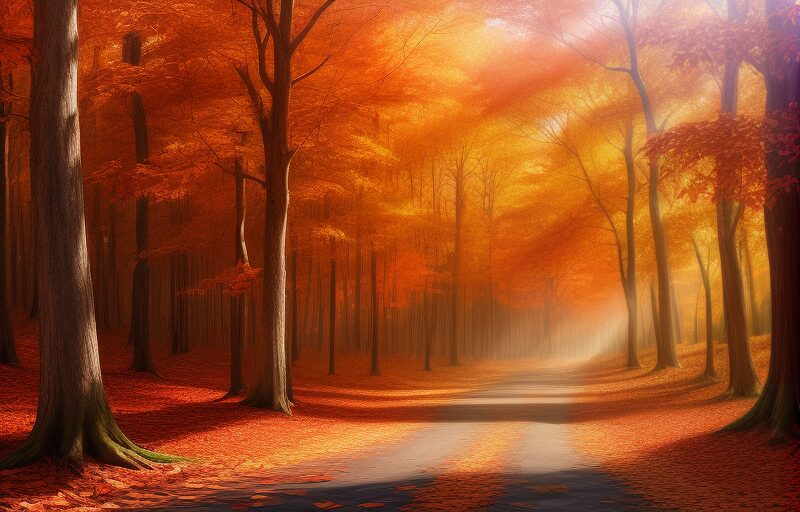
It’s time to start pulling out our layers and admiring the fall weather. Of course, fall means more than wearing our favorite sweaters and eating pumpkin pie. It’s time for the Bay Area’s trees to shed their leaves, and we can witness their different colors before they fall. Of course, the leaves always fall, but what gives them unique colors?
As the leaves return through spring and summer, the days become much longer, and we get green trees again. We all know about photosynthesis; the part of the leaf that allows it to perform this is called chlorophyll. The chlorophyll turns sunlight into energy for trees, producing green pigments and giving trees their color.
Other pigments like orange, yellow, and red are also produced year-round—however, only green captures sunlight, which washes everything else out during summer and spring. As we approach the winter months, the days become significantly shorter. Trees have less sunlight, so they absorb and produce less chlorophyll, which allows those other pigments to shine.
Eventually, the tree takes in all the sugar from the leaves, and the leaves fall, giving this season its name. As far as the colors of these leaves, they vary by tree and the different pigments they produce. There are three different pigments: flavonoids, carotenoids, and anthocyanins. Flavonoids are responsible for the bright yellows that we can see in aspens. Cartenoids provide us with the classic fall orange seen in many trees, particularly maples. Finally, the anthocyanins shine with the deep reds and sometimes purples we see with beech leaves.
As you continue to enjoy the beautiful fall weather, take time to admire the leaves changing colors and the falling process. Maybe take a walk and stomp through the crunchy leaves.
More Helpful Articles
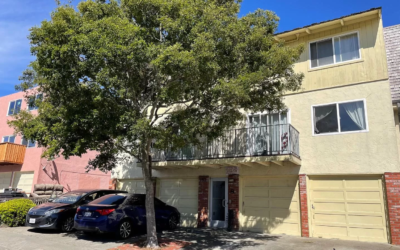
New Listing – 352 Susie Way, South San Francisco
This desirable South San Francisco home is 4,767 square feet and features 8 bedrooms and 6 bathrooms. Call us to see our current listings! More Helpful Articles

New Listing – 1104 Crystal Springs Road. San Bruno, CA
Charming Huntington Park! Traditional features blend with modern touches. Architectural details including arches, moldings, built-in niches and hardwood floors create a warm comfortable space. The backyard is completely landscaped and perfect for entertaining and...
Happy Memorial Day
On this occasion of Memorial Day, let us give thanks to every person who has served and protected the country and brought happiness to our lives. Wishing you a warm Happy Memorial Day.More Helpful Articles
Recent Comments